Why mature processes — not more tools — are becoming the defining factor in financial resilience.
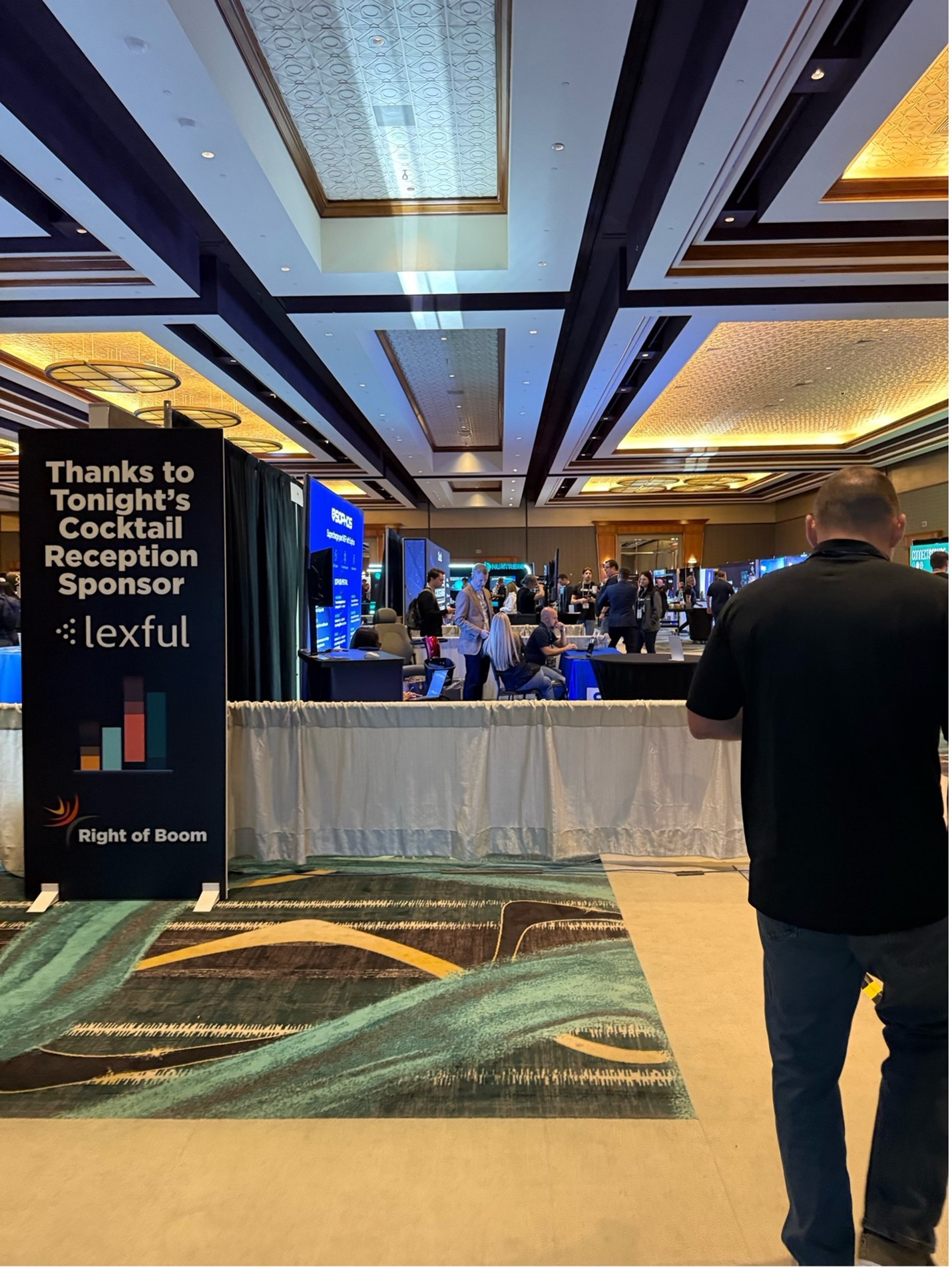
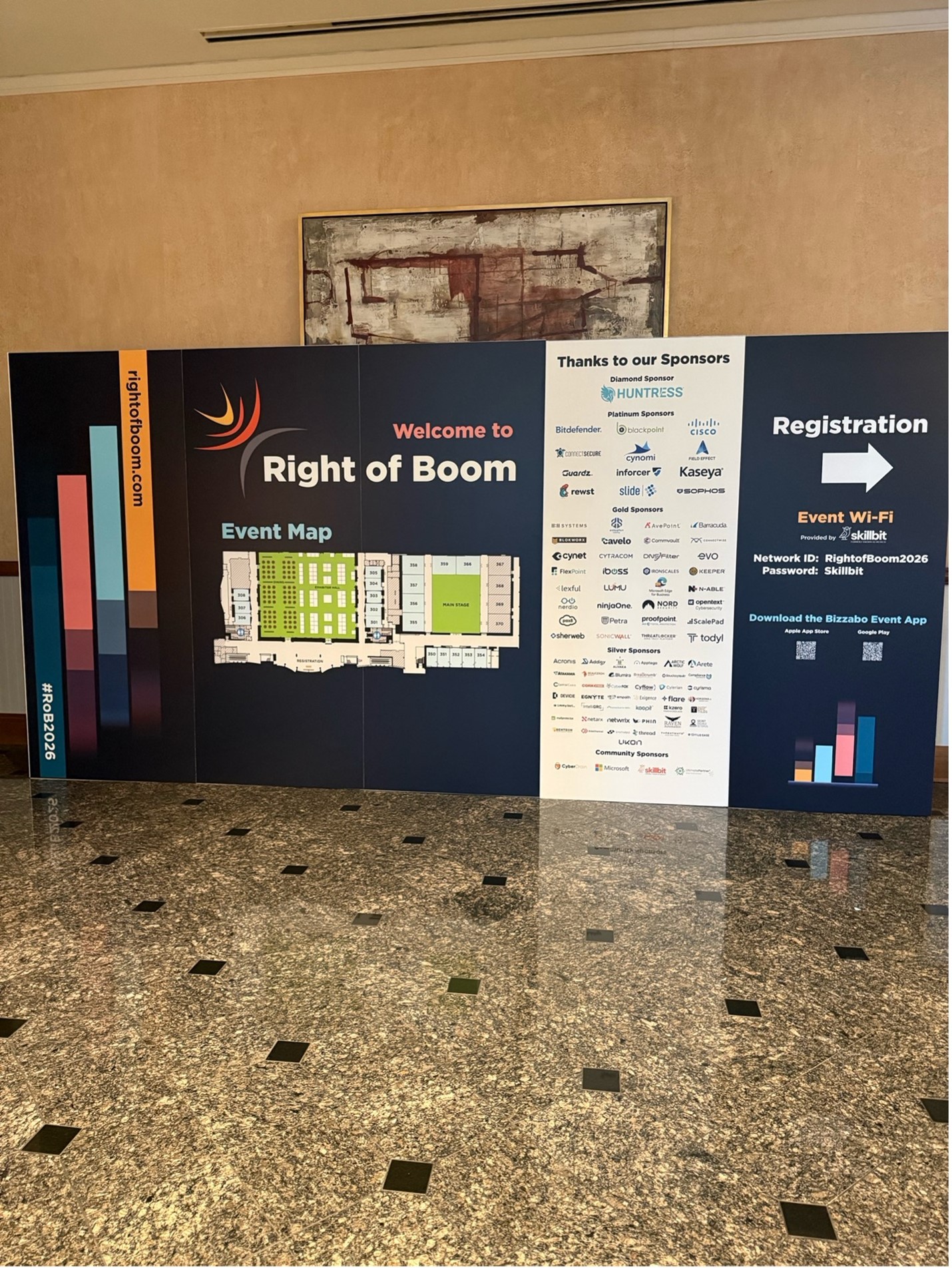
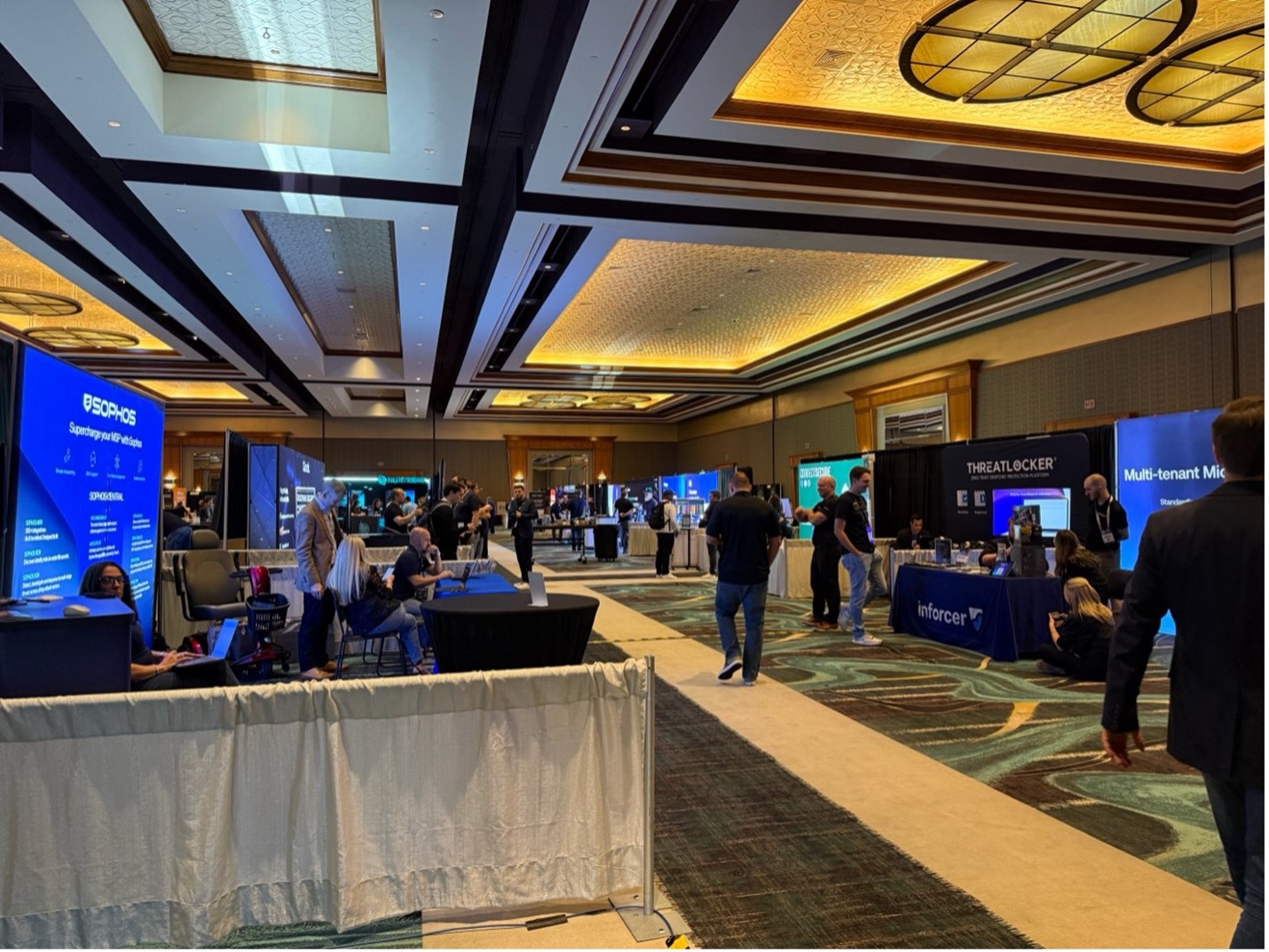
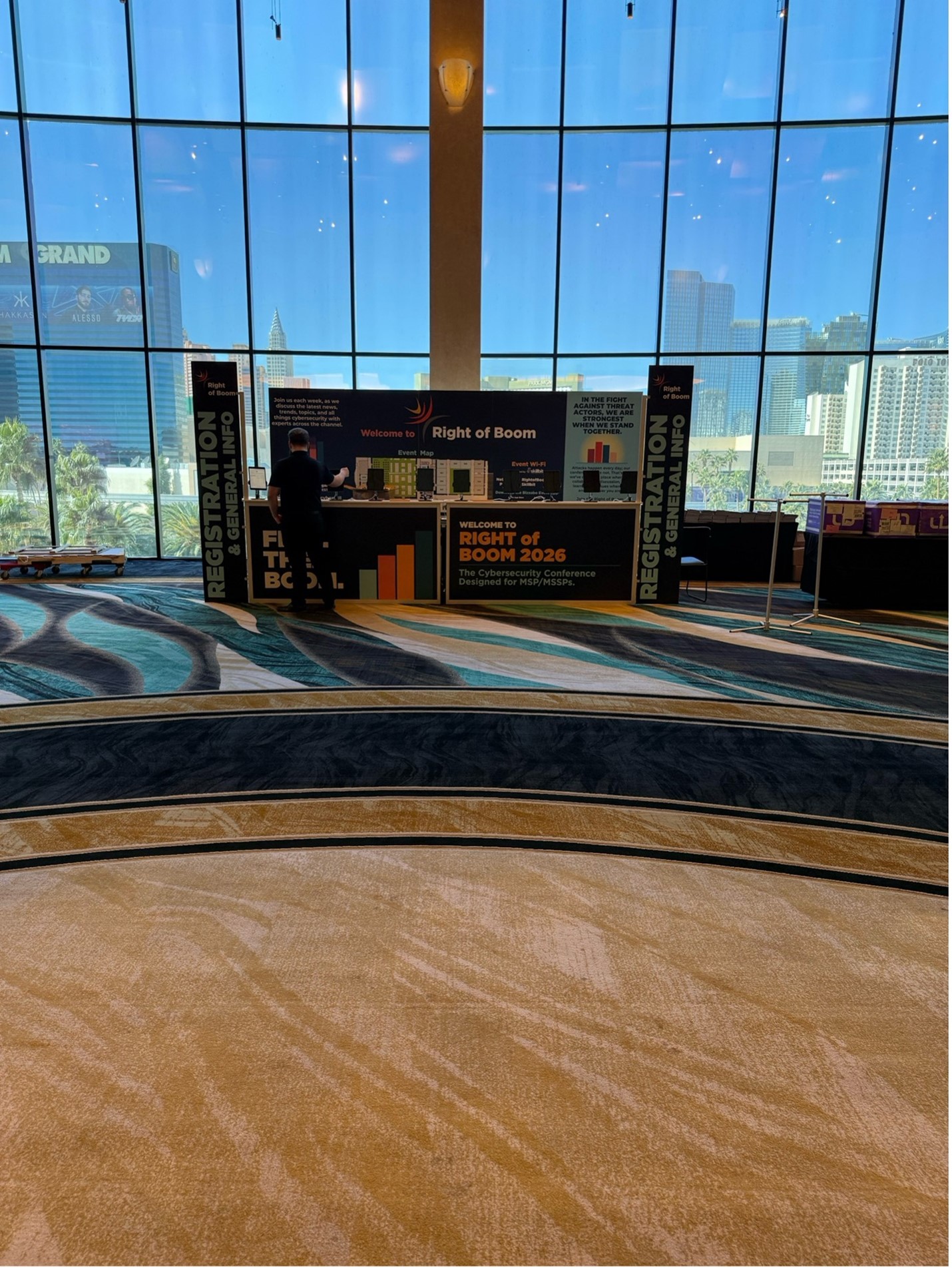
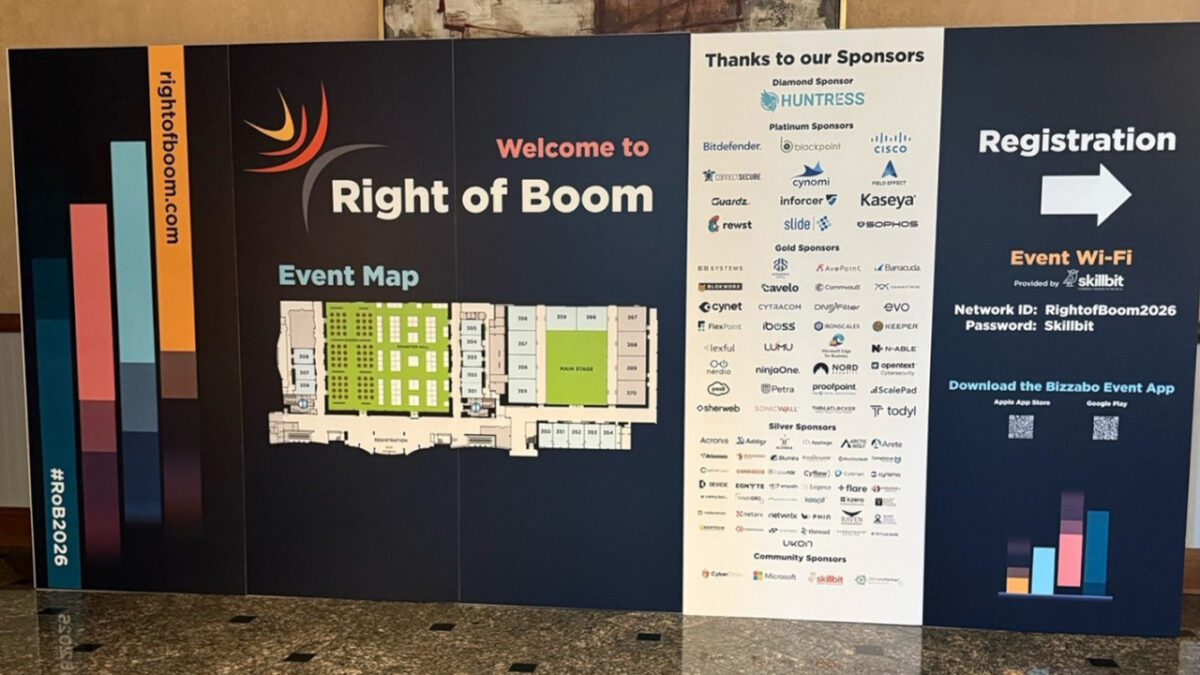
Attending Right of Boom, one of the largest security conferences focused on managed service providers and security operators, reinforced a shift that has been building for several years: cybersecurity is no longer viewed as a technical issue delegated solely to IT. It is now recognized as a core business risk with direct operational and financial consequences.
The consistent theme across sessions and conversations was predictability.
Cybercrime has evolved into a structured, efficient industry. Today’s attackers are not isolated individuals experimenting with ransomware kits. They are coordinated operators who understand how organizations function and where they are most vulnerable. They intentionally exploit operational friction, weak controls, and delayed decision-making.
For executive leadership, particularly CFOs, this reframes the cybersecurity conversation. The objective is not the unrealistic pursuit of preventing every incident. It is limiting operational and financial disruption when an incident inevitably occurs.
Downtime, legal exposure, regulatory scrutiny, reputational damage, and insurance implications were repeatedly cited as primary concerns. These are not abstract IT problems. They are balance sheet issues.
One insight that stood out came from Huntress CEO Kyle Hanslovan, who described how attackers increasingly rely on “predictable mental distress.” When organizations lack documented processes, defined ownership, and rehearsed response plans, isolated security events escalate quickly. Confusion compounds impact. Decision latency increases financial exposure.
Across breach case studies, the pattern was consistent: most incidents were not driven by highly advanced exploits. They stemmed from existing access within the environment, over-permissioned accounts, inconsistent identity controls, and poorly maintained systems. In other words, the failure points were operational, not technological.
From a financial perspective, this shifts cybersecurity from discretionary IT spend to an internal controls and governance discipline. These incidents are becoming less random and more tied to predictable process gaps that attackers assume are present.
Insurance carriers and supply chain partners are adjusting accordingly. Underwriters are placing less emphasis on the number of security tools deployed and more emphasis on demonstrable governance, documented processes, testing cadence, and clear ownership. Business partners increasingly expect evidence of operational maturity before extending trust.
This mirrors how other critical business functions are evaluated. Finance, compliance, and operational risk management are judged on documentation, control frameworks, and repeatability. Cybersecurity is moving into that same category.
At Adams Technology Group (ATG), we are applying that same standard internally. I am currently in the middle of our SOC 2 (System and Organization Controls) compliance audit, a process designed to validate governance, documentation, and control effectiveness. While SOC 2 is often viewed as a certification milestone, its real value is the operational discipline it requires. It forces us to formalize ownership, document processes, test controls, and establish measurable accountability.
In short, it creates predictability.
This is not theoretical. It is operational. We are holding ourselves to the same standards we advise our clients to adopt.
The organizations handling cyber events most effectively are not those chasing the newest security acronym. They are the ones investing in repeatable processes, defined decision rights, identity discipline, and realistic response planning.
These disciplines do not eliminate risk. No framework can. What they do is reduce uncertainty and narrow the range of possible financial outcomes.
And uncertainty is expensive. It increases insurance costs, prolongs downtime, expands legal exposure, and erodes stakeholder confidence.
Cybersecurity is maturing into what it should have always been: a structured operational function designed to protect enterprise continuity.
The objective is not fear.
It is not marketing hype.
It is operational predictability.