
It’s the damage you don’t see that brings you down.
The holes in the returning WWII bombers
In 1943, at the height of World War II, American bombers were coming home from Europe shot full of holes. The military wanted to add armor, but armor is heavy, so it had to go where it mattered most.
The data looked obvious. Returning planes were riddled across the wings and fuselage. The engines were mostly clean. Armor the places that get hit.
Abraham Wald, a statistician at Columbia University’s Statistical Research Group, saw it the other way around. Those planes made it home. The ones hit in the engines did not. The clean areas on the survivors were not safe. They were where a single hit brought a plane down.
The lesson outlived the war: the evidence in front of you comes only from what survived. The failures that matter most never come back to report.
Your IT invoice is the planes that came home
As an industry, we’ve gotten really good at invoicing: applications purchased, subscriptions in use, tasks completed last month. For most financial firms, that invoice is the only view the CEO ever gets. In 30 years in this industry, I have rarely seen an IT provider send a report, and almost never a security report. At ATG, we send one. Here is the difference:
| What’s on the invoice | What a security report verifies |
|---|---|
| Password reset | Identity and device rights reviewed; no one keeps access they no longer need |
| New employee onboarded | Right credentials, access and permissions to the right data and folders, verified |
| Updates and patches applied | Every device patched and verified, change approved by someone else |
| New application or subscription added | MFA enabled and verified; vendor access to client data reviewed |
| Access granted to a mailbox or file share | Access reviewed on schedule and removed when no longer needed |
IT is not security. The traditional IT function is an outdated industry standard: it bills for what it fixed. IT is the bomber crew, and every crew needs an escort.
Not everyone flies the fighter
Fighter pilots and bomber pilots both flew. But they were selected differently, trained differently and flew very different aircraft. Not everyone qualified for the fighter.
IT and security work the same way. Technology is the common ground. The discipline, training, tools and skills are not. Very few IT providers have ever been independently tested on them.
The same is true today. There are plenty of bomber crews: IT providers who can build, fix and run systems. There are not nearly enough fighter pilots. That gap is the very reason ATG pursued SOC 2: to earn the right to provide security.
The biggest takeaway from our SOC 2 audit was structural: we separated IT from security. ATG now has an internal security team, separate from the teams that build and run our systems. It checks their work and reports what it finds.
We added overwatch to our own systems.
In June 2026, we received our SOC 2 Type I attestation against the Trust Services Criteria for Security. Our Type II audit begins in January 2027. None of it made us faster. All of it fortified our structure.
Armor is not enough. Fly with an escort.
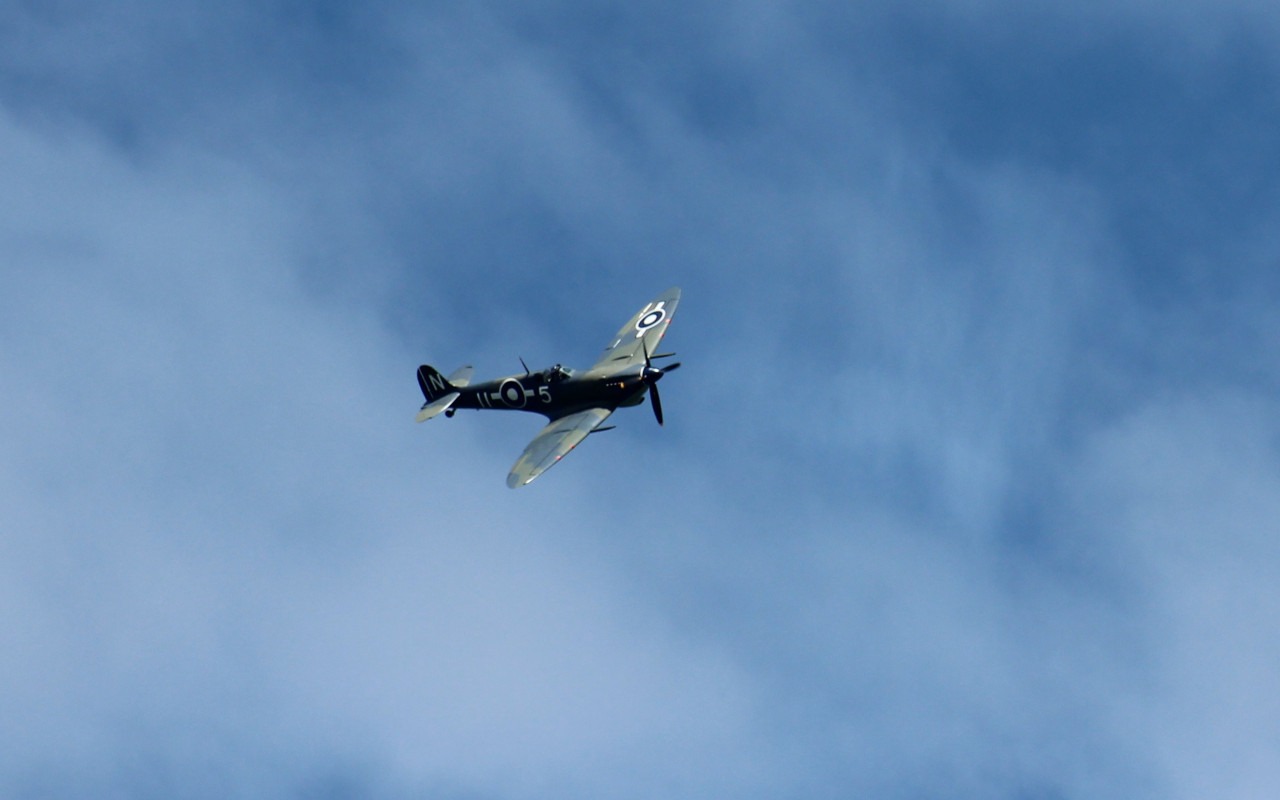
Wald showed where the armor belonged. Armor alone did not bring the bombers home. Through much of 1943 they flew deep into enemy territory beyond the range of their fighter escorts, and losses were severe. Long-range escorts changed that. They carried no bombs. They flew alongside, watched for threats and called them out. That is overwatch.
- IT is the bomber crew. It flies the missions and patches the holes. Essential work.
- Security is the fighter escort. It checks the crew’s work against the firm’s written standard, looks for what never came back, and reports forward to leadership and back to the team.
- The two are never the same person. Your accountants do not audit their own books. Your traders do not review their own trades. IT should not check its own work.
Overwatch does not ask your IT team to work harder. It asks a different question: where would one hit bring us down, and who is watching that spot?
The goal is not to replace the IT team. It is to escort it: overwatch across identity, device and data, separate from the team that builds and runs it, with evidence you can hand your examiners.
So, who is escorting your IT crew, keeping them on task and the firm protected?
New structure. New process. New security.